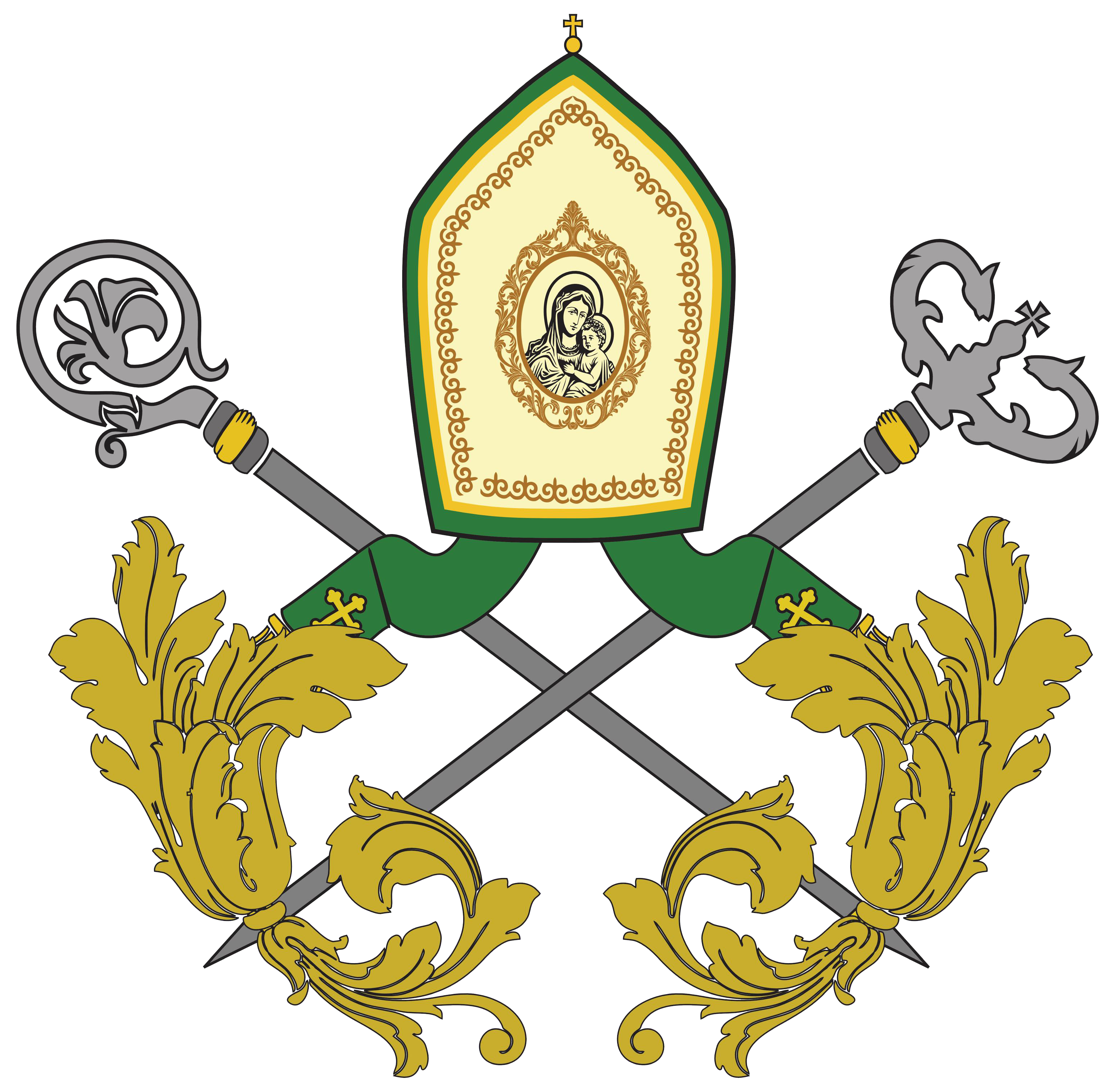
Feast of the Annunciation
"This is my child. This is my flesh. It is taken from me, it has my eyes, the shape of its mouth is the shape of my mouth. It looks like me. It is God and it looks like me." The author of these words, whose identity we will soon reveal, continues his reflection as follows: "No woman has ever had the destiny of having her God only for herself; a little God who can be held in one's arms, bathed in kisses; a God who is warm, who smiles and breathes, who can be touched and who lives. And it is at those moments that I would like to paint Mary, if I were a painter, and I would try to express her simultaneously tender boldness and timid hesitation, as she reaches out her hand to touch the skin of this Child-God, whose weight she feels on her knees and who smiles at her."
The author of these striking lines is a well-known writer of the 20th century, an atheist, an intellectual symbol of French secular existentialism, the philosopher Jean-Paul Sartre. The circumstances of the writing's origin were even more surprising than the author's identity. The year is 1940. Sartre is in the Nazi concentration camp of Trier and writes a story for his fellow prisoners, which he addresses equally to "believers and non-believers" and titles Bariona, or the Son of Thunder. Later, the author turned it into a play, which he directed during his years of imprisonment, himself playing the role of Balthazar the magus. The work remained unpublished and unknown for many years until it was published and staged after more than sixty years.
Striking are the words mentioned above, uttered and written by an intellectual who became a symbol of an atheistic mindset like Sartre. We know that in those harsh conditions of imprisonment, he aimed to unite all fellow prisoners, whether believers or not, against Nazi oppression. But Sartre's words, as striking as they are sensitive, profound, and tender, powerfully put before our eyes the question of faith, with its naked inevitability, the very complex and intricate attitude of even a person presenting himself as most fervent non-believer before faith, before God, before the Mystery. Sartre himself confessed that his "relationship with God" was "very complex and very difficult."
The Nativity and Epiphany of Christ provide the most appropriate opportunity for all of us to place ourselves before Faith, before the Mystery, before God. An opportunity to examine ourselves anew, to reflect anew on our existence, our life, our identity, and to view all of this through the mirror of God, of Christ.
May the Nativity and Epiphany of Jesus call us all to embrace, to bathe in kisses that Divine Child, whose appearance on earth marked the zenith of history, erected the Sign of Salvation, and offered the guarantee of life and peace.
December 22, 2021
Gallery
