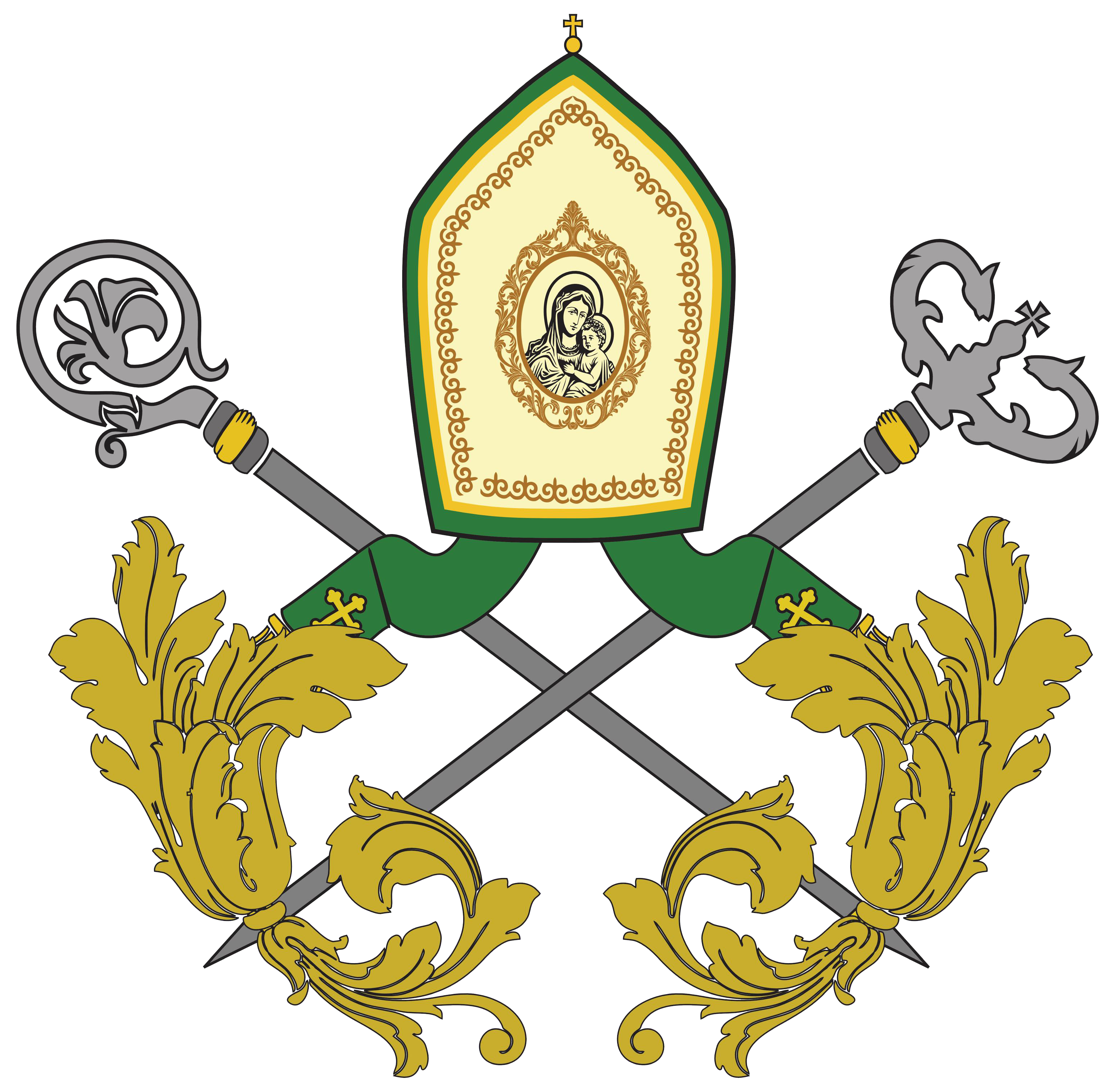
ARMENIAN CATHOLIC ARCHEPARCHY OF ISTANBUL.
On January 6, 1830, by the decree of Sultan Mahmud II, the Armenian Catholic community was officially recognized as a distinct and autonomous community, or "millet," in the Ottoman Empire, alongside other non-Muslim communities. Through this decree, the Sultan authorized the establishment of an Armenian Catholic "Patriarchate" and an Archeparchy, which would administer the civil and ecclesiastical life of all Armenian Catholics within Ottoman borders. Thus, in this agreement, the Patriarch (Patrik) held a civil character as the "head of the nation" (millet-başi), effectively the community leader. The first Civil Leader was Rev. Hagopos Chukuryan (1831), and the first Ecclesiastical Leader was Most Rev. Archbishop Anton Nuridjan. Furthermore, this same decree granted amnesty to Armenian Catholic believers who had been exiled and bestowed the right to build churches. Previously, in 1742, by the decision of Pope Benedict XIV, the Armenian Catholic Ecclesiastical Patriarchate had been established in the village of Kreim near Bzommar, Lebanon, with its titular head called the Catholicos-Patriarch. In 1867, the newly elected Patriarch Anthony Peter IX desired to move the Patriarchal See to the capital of the Empire, Constantinople (Istanbul), where it remained until 1922.